Blog

Yoga for Cervical Pain
Blog

Yoga for Cervical Pain: Natural Relief for Neck Pain and Stiffness

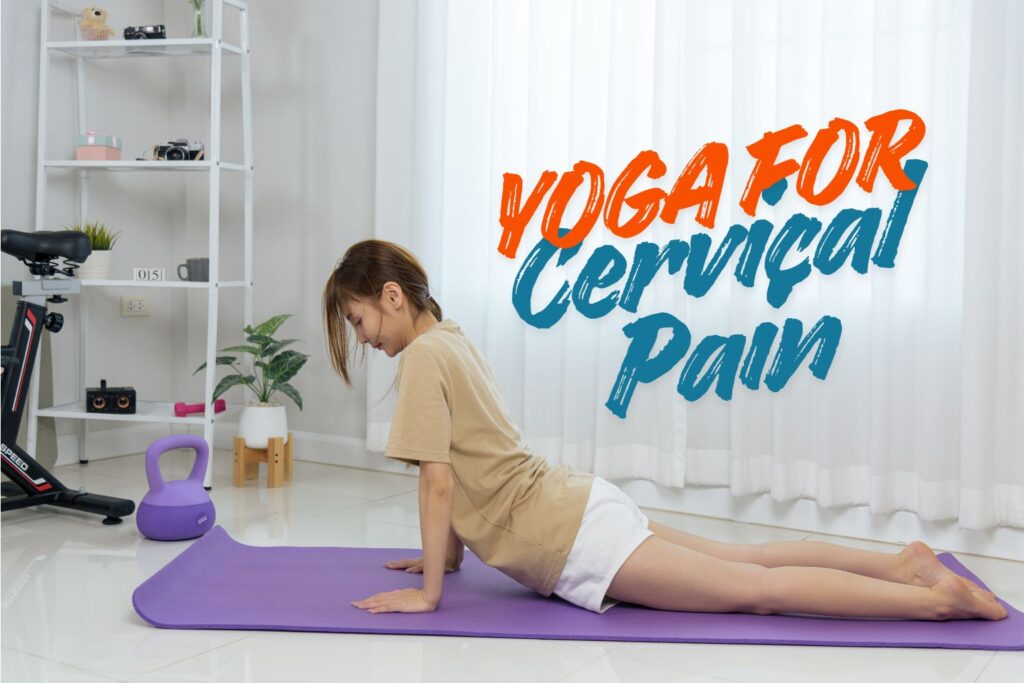
Cervical pain, commonly known as neck pain, has become one of the most common health problems today. Long hours of working on computers, poor posture, mobile phone usage, and stress often lead to stiffness and discomfort in the neck area. If ignored, cervical pain can affect your daily activities and overall quality of life. Yoga is a natural and effective way to reduce cervical pain. Gentle stretches, breathing exercises, and posture correction help release tension in the neck and shoulders. At PRANAFIT YOGA, we focus on safe and effective yoga practices that help relieve cervical pain and improve spinal health. Understanding Cervical Pain Cervical pain occurs in the neck region of the spine, which consists of seven vertebrae known as the cervical spine. When these muscles and joints experience strain or tension, it leads to stiffness, pain, and limited movement. Common Causes of Cervical Pain Poor sitting posture Long hours of laptop or mobile use Sleeping in the wrong position Stress and muscle tension Lack of physical activity Sudden neck movement or injury Symptoms of Cervical Pain Neck stiffness and discomfort Pain while turning the head Headaches starting from the neck Shoulder pain Tingling or numbness in arms If these symptoms continue for a long time, it is important to take corrective measures like yoga and posture improvement. Benefits of Yoga for Cervical Pain Yoga helps strengthen neck muscles, improve flexibility, and relax tight muscles around the spine. Key Benefits Reduces neck stiffness and pain Improves blood circulation in the cervical area Strengthens neck and shoulder muscles Corrects body posture Reduces stress and tension Improves overall spinal health At PRANAFIT YOGA, our expert trainers guide students through safe yoga practices specifically designed for cervical pain relief. Best Yoga Poses for Cervical Pain Relief Practicing gentle yoga poses daily can significantly reduce cervical pain and improve neck mobility. 1. Neck Stretch Exercise This is one of the simplest exercises to release tension from neck muscles. How to Practice Sit comfortably with a straight spine Slowly tilt your head to the right side Hold the stretch for 10 seconds Repeat on the left side Practice this stretch 5–6 times daily. 2. Cat-Cow Pose This pose improves spinal flexibility and releases tension from the neck and back. Steps to Perform Come into a tabletop position on your hands and knees Inhale while arching your back and lifting your head Exhale while rounding your spine and lowering your head Repeat for 8–10 breaths. 3. Child’s Pose Child’s Pose is a relaxing yoga posture that reduces tension in the neck and shoulders. How to Do It Kneel on the yoga mat Sit back on your heels Stretch your arms forward Rest your forehead on the mat Hold the pose for 1–2 minutes while breathing deeply. 4. Cobra Pose Cobra Pose strengthens the spine and helps relieve stiffness in the neck and upper back. Steps Lie flat on your stomach Place your palms under your shoulders Slowly lift your chest while keeping your elbows slightly bent Keep your shoulders relaxed Hold for 15–20 seconds and repeat 3–4 times. 5. Shoulder Rolls Shoulder rolls help reduce tension accumulated in the neck and shoulder muscles. Practice Method Sit or stand comfortably Roll your shoulders forward slowly Then roll them backward Repeat 10 times in each direction. Breathing Exercises for Cervical Pain Breathing techniques relax muscles and reduce stress that often contributes to cervical pain. Deep Breathing Sit in a comfortable position Inhale deeply through your nose Exhale slowly through your mouth Practice for 5 minutes daily. Anulom Vilom Pranayama This breathing exercise improves oxygen flow and calms the nervous system. Steps Sit with a straight spine Close your right nostril with your thumb Inhale through the left nostril Close the left nostril and exhale through the right Practice for 5–7 minutes. Lifestyle Tips to Prevent Cervical Pain Along with yoga, certain lifestyle changes can help prevent cervical pain. Maintain Proper Posture Always keep your back straight while sitting and working on a computer. Take Regular Breaks If you work long hours on a laptop, take breaks every 30–40 minutes to stretch your neck. Use a Proper Pillow Sleeping with the right pillow helps maintain neck alignment. Limit Mobile Phone Usage Avoid bending your neck downward for long periods while using your phone. How PRANAFIT YOGA Helps in Cervical Pain Relief At PRANAFIT YOGA, we provide specialized yoga sessions designed to relieve neck pain and improve spinal health. Our experienced instructors focus on safe stretching techniques, posture correction, and therapeutic yoga practices. Whether you are dealing with mild neck stiffness or chronic cervical pain, our personalized yoga programs can help you regain comfort, flexibility, and strength. Conclusion Cervical pain is a common problem caused by modern lifestyle habits, but it can be managed naturally through yoga. Gentle stretching, breathing exercises, and posture correction help relieve neck tension and strengthen the spine. By practicing yoga regularly with PRANAFIT YOGA, you can reduce cervical pain, improve posture, and enjoy a healthier, pain-free life. Frequently Asked Questions (FAQs) Can yoga cure cervical pain permanently? Yoga helps strengthen neck muscles, improve posture, and reduce pain significantly when practiced regularly. How often should I practice yoga for cervical pain? Practicing yoga 20–30 minutes daily can help reduce cervical pain and improve flexibility. Which yoga pose is best for cervical pain? Cat-Cow Pose, Child’s Pose, Cobra Pose, and gentle neck stretches are very effective. Is yoga safe for severe cervical pain? Yes, but it is recommended to practice under the guidance of a trained instructor like those at PRANAFIT YOGA. How long does it take to see results? Many people notice improvement in neck stiffness and pain within 2–3 weeks of regular practice.
Morning Yoga Routine
Blog

Morning Yoga Routine: Start Your Day with Energy and Balance

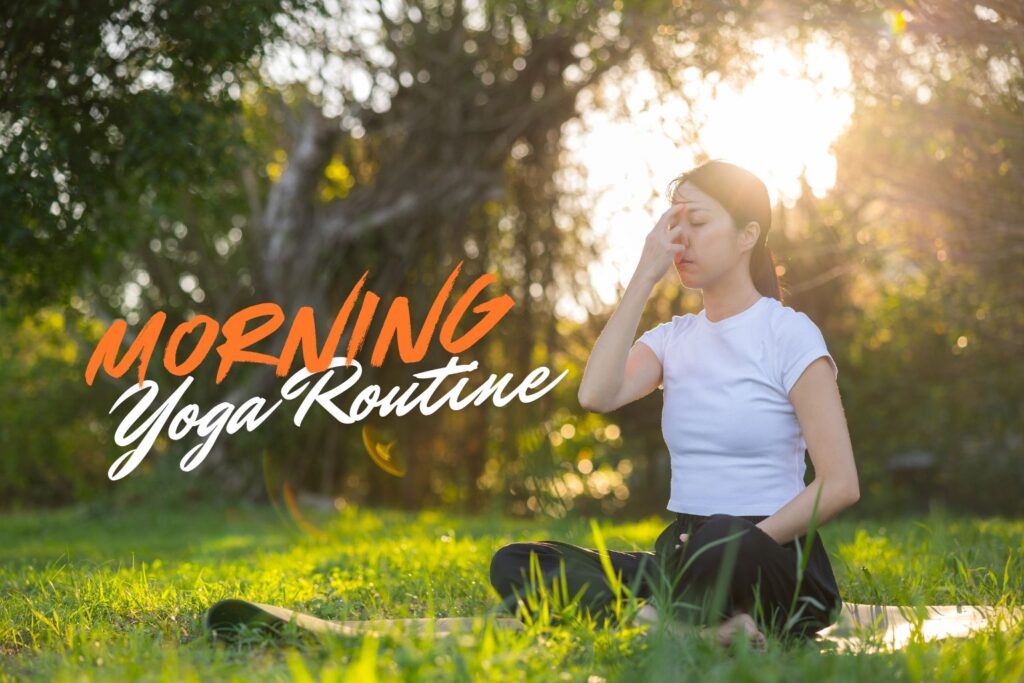
A healthy morning routine can completely transform your day, and one of the best ways to begin your morning is with yoga. Practicing yoga in the morning helps awaken your body, calm your mind, and prepare you for the challenges of the day ahead. A simple morning yoga routine improves flexibility, boosts metabolism, enhances mental clarity, and promotes overall well-being. At PRANAFIT YOGA, we believe that even 15–20 minutes of morning yoga can create powerful positive changes in your physical and mental health. Why a Morning Yoga Routine is Important Morning yoga offers multiple health benefits because your body and mind are fresh after sleep. Gentle stretching and breathing exercises activate muscles, stimulate blood circulation, and bring focus to the mind. Benefits of Practicing Yoga in the Morning Boosts energy levels naturally Improves flexibility and mobility Enhances focus and productivity Supports weight management Reduces stress and anxiety Improves digestion and metabolism When practiced regularly, morning yoga builds a strong foundation for a healthier lifestyle. How to Prepare for Your Morning Yoga Routine Before beginning your yoga practice, it is important to create a calm and comfortable environment. 1. Wake Up Early Try to wake up early in the morning when the environment is peaceful. This helps your mind stay calm and focused during yoga practice. 2. Drink Warm Water Drinking a glass of warm water helps activate digestion and detoxify the body before your yoga session. 3. Choose a Quiet Space Practice yoga in a clean and quiet place with fresh air. A peaceful environment improves concentration and relaxation. 4. Wear Comfortable Clothing Choose breathable and stretchable clothing so your body can move freely during yoga poses. Best Morning Yoga Routine for Beginners This simple routine can be completed in 15–25 minutes and is perfect for beginners. 1. Deep Breathing (Pranayama) Start with deep breathing to calm your mind and increase oxygen flow. How to Practice Sit comfortably in a cross-legged position Close your eyes and relax your shoulders Inhale deeply through your nose Exhale slowly Practice for 3–5 minutes to prepare your body for yoga. 2. Gentle Neck and Shoulder Stretches Stretching your neck and shoulders removes stiffness and improves posture. Steps Slowly rotate your neck clockwise and anticlockwise Roll your shoulders forward and backward Keep your breathing slow and steady Perform each movement for 1–2 minutes. 3. Cat-Cow Stretch This pose warms up the spine and improves flexibility. How to Do It Come into a tabletop position on hands and knees Inhale while arching your back and lifting your head Exhale while rounding your spine and lowering your head Repeat 8–10 times. 4. Sun Salutation (Surya Namaskar) Sun Salutation is one of the most powerful yoga sequences for a morning routine. Benefits Improves blood circulation Strengthens muscles Boosts metabolism Energizes the entire body Practice Tips Start with 4–6 rounds and gradually increase as your body becomes stronger. 5. Downward Dog Pose This pose stretches the entire body and strengthens the arms and legs. Steps Start from a plank position Lift your hips upward forming an inverted “V” shape Keep your heels moving toward the floor Relax your neck and breathe deeply Hold for 20–30 seconds. 6. Child’s Pose (Relaxation) Child’s Pose helps relax the body after stretching. How to Practice Sit back on your heels Stretch your arms forward Rest your forehead on the mat Take slow deep breaths Hold this pose for 1–2 minutes. Tips to Maintain a Consistent Morning Yoga Routine Consistency is the key to experiencing the full benefits of yoga. Start Small Begin with 10–15 minutes daily instead of long sessions. Stay Hydrated Drink water before and after your yoga practice. Be Patient Yoga is a gradual journey. Your flexibility and strength will improve with time. Practice Regularly Even short daily sessions are more effective than occasional long workouts. How PRANAFIT YOGA Can Help You At PRANAFIT YOGA, we provide professional guidance to help individuals build a healthy yoga lifestyle. Our certified yoga trainers design personalized yoga sessions based on your fitness level, goals, and health conditions. Whether you want to improve flexibility, reduce stress, lose weight, or simply feel more energetic, our structured yoga programs can help you achieve your wellness goals. Conclusion A morning yoga routine is one of the best habits you can adopt for a healthier and happier life. Just a few minutes of yoga every morning can increase energy, improve flexibility, enhance mental clarity, and reduce stress. Start your day with positivity and balance by practicing yoga daily. With guidance from PRANAFIT YOGA, you can transform your mornings and build a strong foundation for long-term health and wellness. Frequently Asked Questions (FAQs) Is morning the best time to do yoga? Yes, morning is considered the best time because the mind is calm and the body feels refreshed after sleep. How long should a morning yoga routine be? A morning yoga session can be 15–30 minutes, depending on your schedule and experience level. Can beginners start yoga in the morning? Yes, beginners can easily start with gentle stretches, breathing exercises, and simple yoga poses. Should yoga be done on an empty stomach? Yes, yoga should ideally be practiced on an empty stomach or at least 2–3 hours after a meal. How long does it take to see results from yoga? With regular practice, most people start noticing improvements in flexibility, energy, and stress levels within 2–4 weeks.

Best Pranayama for Stress Relief
Blog

Best Pranayama for Stress Relief – Powerful Breathing Techniques | PRANAFIT YOGA

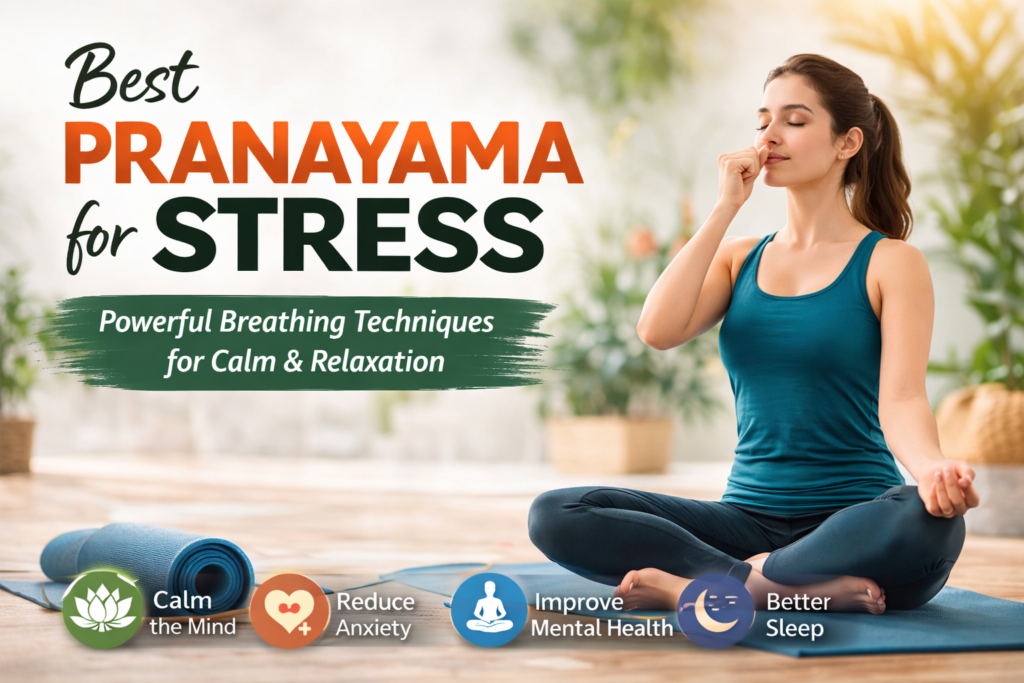
In today’s fast-paced world, stress has become a part of daily life. Work pressure, digital overload, lack of sleep, and unhealthy routines can lead to anxiety, mental fatigue, and emotional imbalance. One of the most natural and effective ways to reduce stress is pranayama, the ancient yogic practice of controlled breathing. At PRANAFIT YOGA, we believe that the breath is the bridge between the body and the mind. Practicing pranayama regularly can calm the nervous system, improve oxygen flow, and bring deep mental relaxation. This guide will help you understand the best pranayama techniques for stress relief and how they can transform your mental well-being. What is Pranayama? Pranayama is a Sanskrit word derived from two terms: “Prana”, meaning life force or energy, and “Ayama”, meaning expansion or control. How Pranayama Works Pranayama focuses on regulating breathing patterns to control the flow of energy in the body. When breathing becomes slow and controlled, the brain receives signals to relax, which helps reduce stress hormones. Benefits of Pranayama for Stress Regular pranayama practice provides several mental and physical benefits, including: Reduces anxiety and mental tension Improves oxygen supply to the brain Calms the nervous system Enhances focus and clarity Improves sleep quality At PRANAFIT YOGA, pranayama is an essential part of every yoga session to help individuals achieve complete mind-body balance. Best Pranayama Techniques for Stress Relief Here are some of the most effective breathing exercises recommended by PRANAFIT YOGA experts to reduce stress and promote relaxation. 1. Anulom Vilom Pranayama (Alternate Nostril Breathing) What is Anulom Vilom? Anulom Vilom is a powerful breathing technique where you inhale through one nostril and exhale through the other in an alternating pattern. This practice balances the left and right hemispheres of the brain. Benefits for Stress Reduces anxiety and tension Improves concentration Balances the nervous system Enhances emotional stability How to Practice Sit comfortably in a cross-legged position. Close your right nostril using your thumb. Inhale slowly through the left nostril. Close the left nostril and exhale through the right. Repeat the process in reverse order. Practice this for 5–10 minutes daily. 2. Bhramari Pranayama (Bee Breathing) What is Bhramari? Bhramari pranayama involves making a gentle humming sound like a bee while exhaling. The vibration produced helps calm the mind and relax the nervous system. Benefits for Stress Instantly calms the mind Reduces anger and frustration Improves mental focus Relieves anxiety symptoms How to Practice Sit comfortably with eyes closed. Place your index fingers on the cartilage of your ears. Inhale deeply through the nose. While exhaling, make a soft humming sound. Repeat this 5–7 times for relaxation. 3. Nadi Shodhana Pranayama (Energy Channel Cleansing) What is Nadi Shodhana? Nadi Shodhana is a breathing practice that purifies the body’s energy channels and promotes mental clarity. Benefits for Stress Balances the nervous system Reduces mental fatigue Improves emotional stability Enhances mindfulness How to Practice Sit comfortably with a straight spine. Close the right nostril and inhale through the left. Close the left nostril and exhale through the right. Continue alternating for several cycles. Practice for 10 minutes daily. 4. Sheetali Pranayama (Cooling Breath) What is Sheetali? Sheetali pranayama is known as the cooling breath technique. It helps calm the body and mind, making it especially effective during stress or anger. Benefits for Stress Reduces stress and tension Lowers body temperature Improves mental calmness Reduces irritability How to Practice Sit comfortably in a relaxed posture. Roll your tongue into a tube shape. Inhale slowly through the rolled tongue. Close your mouth and exhale through the nose. Repeat for 5 minutes. 5. Deep Diaphragmatic Breathing What is Deep Breathing? Deep breathing focuses on slow inhalation and exhalation using the diaphragm. It is one of the simplest and most effective techniques for reducing stress. Benefits for Stress Slows the heart rate Reduces cortisol levels Promotes deep relaxation Improves lung capacity How to Practice Sit or lie comfortably. Place one hand on your abdomen. Inhale slowly through the nose, expanding the belly. Exhale gently through the mouth. Practice for 10 minutes daily. Tips to Practice Pranayama Effectively To get the best results from pranayama, follow these simple tips recommended by PRANAFIT YOGA instructors: Practice in a quiet and clean environment Perform pranayama on an empty stomach Maintain a straight spine while sitting Start slowly and increase duration gradually Combine pranayama with meditation and yoga Consistency plays a key role in experiencing the full benefits of breathing exercises. Why Choose PRANAFIT YOGA for Stress Relief? At PRANAFIT YOGA, we offer professional yoga guidance to help individuals achieve physical and mental wellness. Our programs focus on holistic health through yoga, pranayama, and meditation techniques. Our services include: Personalized yoga sessions Home yoga classes Online yoga training Stress management programs Beginner-friendly pranayama practices With expert instruction and a supportive environment, PRANAFIT YOGA helps individuals manage stress naturally and improve their overall quality of life. Conclusion Pranayama is one of the most powerful tools for managing stress and achieving mental peace. By practicing breathing techniques such as Anulom Vilom, Bhramari, Nadi Shodhana, Sheetali, and deep breathing, you can calm your mind, improve emotional balance, and enhance overall well-being. With regular practice and guidance from PRANAFIT YOGA, you can transform stress into calmness and experience a healthier, happier life.

Yoga for Weight Loss
Blog

Yoga for Weight Loss – Natural Fat Burning with PRANAFIT YOGA

Yoga for Weight Loss: A Natural and Effective Way to Stay Fit In today’s busy lifestyle, weight gain has become a common problem for many people. Long sitting hours, unhealthy eating habits, and lack of physical activity often lead to excess body fat. While many people turn to strict diets and intense workouts, yoga for weight loss offers a natural, safe, and sustainable solution. At PRANAFIT YOGA, we believe that yoga is not just about flexibility and relaxation—it is also a powerful way to improve metabolism, burn calories, and achieve a healthy body. How Yoga Helps in Weight Loss Yoga works differently compared to traditional workouts. Instead of focusing only on burning calories, it improves the body’s internal balance and boosts metabolism. Here are some ways yoga supports weight loss: 1. Improves Metabolism Certain yoga poses stimulate digestive organs and help the body process food more efficiently. A better metabolism means the body burns calories faster. 2. Reduces Stress Eating Stress is one of the biggest reasons behind weight gain. Yoga helps calm the mind, reducing emotional eating and cravings. 3. Burns Calories Naturally Dynamic yoga styles and poses engage multiple muscle groups, helping burn calories and tone the body. 4. Builds Lean Muscle Regular yoga practice strengthens muscles, which increases the body’s resting metabolic rate. Best Yoga Poses for Weight Loss Here are some effective yoga poses recommended by PRANAFIT YOGA trainers to help burn fat and tone your body. 1. Surya Namaskar (Sun Salutation) Surya Namaskar is one of the best yoga sequences for weight loss. It involves a combination of 12 poses that improve flexibility, strengthen muscles, and burn calories. Benefits: Improves metabolism Burns body fat Strengthens the entire body 2. Naukasana (Boat Pose) This pose strengthens the core muscles and helps reduce belly fat. Benefits: Targets abdominal fat Improves digestion Strengthens core muscles 3. Bhujangasana (Cobra Pose) Bhujangasana stretches the abdominal muscles and helps tone the stomach area. Benefits: Reduces belly fat Improves spinal flexibility Strengthens the back 4. Utkatasana (Chair Pose) This powerful pose works on the thighs, hips, and core muscles. Benefits: Burns calories Strengthens legs Improves balance 5. Virabhadrasana (Warrior Pose) The warrior pose is excellent for strengthening the legs and improving stamina. Benefits: Builds muscle strength Improves endurance Helps burn fat Tips to Maximize Weight Loss with Yoga To achieve the best results, follow these simple tips from PRANAFIT YOGA experts: ✔ Practice yoga at least 4–5 days per week✔ Combine yoga with healthy eating habits✔ Stay hydrated throughout the day✔ Include breathing exercises (Pranayama)✔ Maintain consistency in your practice Consistency is the key to seeing long-term results. Why Choose PRANAFIT YOGA? At PRANAFIT YOGA, we offer personalized yoga sessions designed to meet individual fitness goals. Whether your goal is weight loss, stress relief, flexibility, or overall wellness, our experienced instructors guide you through safe and effective yoga practices. Our classes include: Personalized yoga sessions Home yoga classes Online yoga training Beginner-friendly programs Weight loss focused yoga routines With regular practice and proper guidance, yoga can help you transform both your body and mind. Conclusion Yoga for weight loss is a holistic approach that improves both physical and mental health. Unlike crash diets or extreme workouts, yoga provides sustainable results by improving metabolism, reducing stress, and strengthening the body. With expert guidance from PRANAFIT YOGA, you can start your journey toward a healthier, fitter, and more balanced life. Begin your transformation today with yoga and experience the power of natural weight loss. Frequently Asked Questions (FAQs) 1. Can yoga really help with weight loss? Yes, yoga can help with weight loss by improving metabolism, reducing stress, and strengthening muscles, which helps burn calories naturally. 2. How long should I practice yoga for weight loss? Practicing yoga for 30–45 minutes daily can help achieve effective weight loss results. 3. Which yoga pose is best for belly fat? Poses like Naukasana, Bhujangasana, and Surya Namaskar are very effective for reducing belly fat. 4. How long does it take to lose weight with yoga? Results vary from person to person, but with regular practice and a healthy diet, visible results may appear within 4–8 weeks. 5. Is yoga better than gym workouts for weight loss? Yoga focuses on overall health, flexibility, mental peace, and sustainable weight loss, making it a balanced alternative to intense gym workouts.

Yoga for Back Pain
Blog

Yoga for Back Pain: A Natural Way to Heal and Strengthen Your Spine

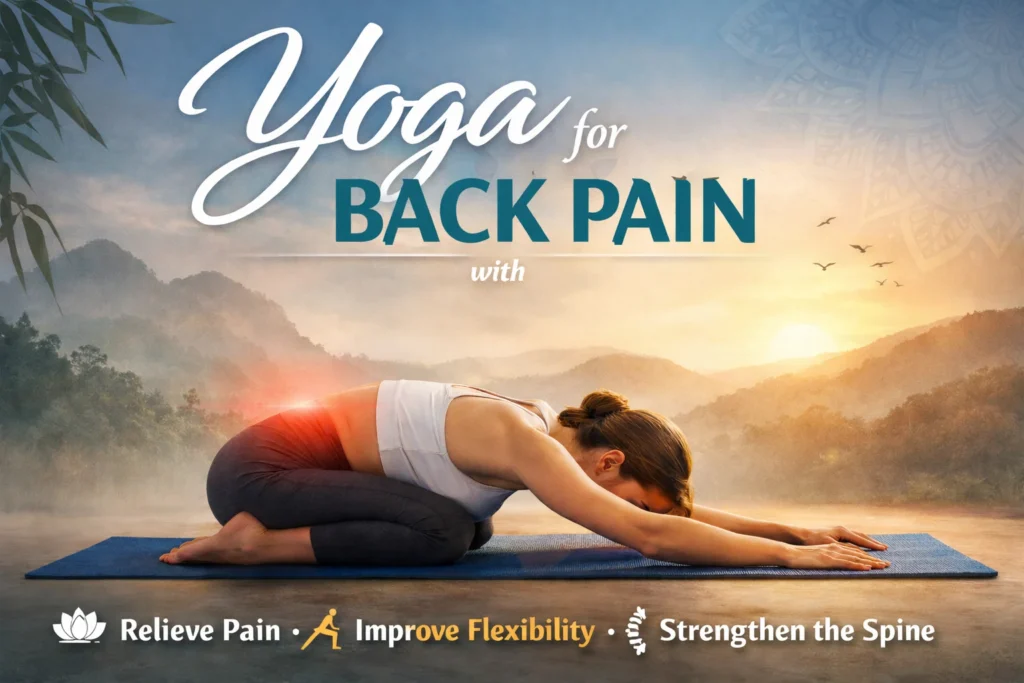
Back pain has become one of the most common health concerns in today’s fast-paced lifestyle. Long hours of sitting, lack of physical activity, poor posture, and stress can put significant strain on the spine. Over time, this can lead to stiffness, discomfort, and chronic back pain. Yoga offers a natural and effective solution for managing and preventing back pain. Through a combination of gentle movements, stretching, strengthening, and breathing techniques, yoga helps restore balance to the body and supports overall spinal health. At PRANAFIT YOGA, we believe that regular yoga practice can transform the way your body feels and moves, helping you live a healthier and more comfortable life. Understanding the Causes of Back Pain Back pain can occur for several reasons, and identifying the cause is the first step toward relief. Some of the most common causes include: Poor posture during work or daily activities Weak core and back muscles Tight muscles in the hips and hamstrings Stress and tension in the body Sedentary lifestyle with limited movement When the muscles that support the spine become weak or tight, the spine experiences more pressure. Yoga works by strengthening these muscles while improving flexibility and alignment. How Yoga Helps Reduce Back Pain Yoga is not just a form of exercise; it is a holistic practice that supports both physical and mental well-being. Regular yoga practice can help relieve back pain in several ways. Improves Flexibility Tight muscles around the hips, hamstrings, and spine often contribute to back pain. Yoga stretches these muscles gently, allowing the spine to move freely and reducing stiffness. Strengthens Core and Back Muscles Strong core muscles support the spine and reduce strain on the lower back. Many yoga poses focus on strengthening the abdominal muscles, lower back, and glutes, which helps improve stability and prevent injuries. Corrects Posture Poor posture is a major cause of back discomfort. Yoga increases body awareness and encourages proper alignment, helping you maintain a healthy posture throughout the day. Reduces Stress and Tension Stress can lead to muscle tension, especially in the neck, shoulders, and lower back. Yoga incorporates breathing exercises and relaxation techniques that calm the nervous system and release tension. Best Yoga Poses for Back Pain Relief Practicing the right yoga poses can significantly improve spinal flexibility and strength. Here are some beginner-friendly poses recommended by PRANAFIT YOGA. Cat–Cow Pose This gentle movement warms up the spine and improves flexibility. The flowing motion between arching and rounding the back helps relieve stiffness and tension. Benefits Improves spinal mobility Relieves tension in the lower back Enhances posture awareness Child’s Pose Child’s Pose is a relaxing posture that stretches the lower back, hips, and thighs while calming the mind. Benefits Releases tension in the spine Promotes relaxation Reduces lower back discomfort Cobra Pose Cobra Pose gently strengthens the spine while opening the chest and shoulders. Benefits Strengthens the back muscles Improves spinal flexibility Helps counteract poor posture Bridge Pose Bridge Pose strengthens the lower back and core while opening the chest and hips. Benefits Builds strength in the spine and glutes Improves posture Reduces lower back strain Downward Facing Dog This full-body stretch lengthens the spine and helps relieve tension in the back and legs. Benefits Stretches the spine and hamstrings Strengthens the arms and shoulders Improves overall body alignment Tips for Practicing Yoga Safely To get the most benefits from yoga while avoiding injury, it is important to practice mindfully. Start slowly and progress gradually Focus on proper alignment in each pose Avoid pushing your body beyond its limits Practice regularly for consistent results Seek guidance from a trained instructor if you are a beginner At PRANAFIT YOGA, our instructors ensure that every practice session is safe, supportive, and tailored to individual needs. Why Choose PRANAFIT YOGA? PRANAFIT YOGA is dedicated to promoting natural healing and holistic wellness through the practice of yoga. Our approach focuses on improving both physical health and mental balance. With guided yoga sessions, personalized instruction, and a focus on safe practice, we help individuals relieve pain, improve flexibility, and strengthen their bodies naturally. Whether you are dealing with occasional discomfort or chronic back pain, our yoga programs are designed to support your journey toward long-term wellness. Final Thoughts Back pain can affect your daily life, but it does not have to be permanent. With regular yoga practice, you can strengthen your spine, improve flexibility, and reduce discomfort naturally. By incorporating yoga into your daily routine and practicing with the guidance of PRANAFIT YOGA, you can build a healthier, stronger, and pain-free body. Start your yoga journey today and experience the transformative benefits of yoga for back pain relief.

Scroll to Top